
Biophilic Home Decor: How to Create a Home That Feels Like a Luxury Retreat
Discover how biophilic decor transforms your home into a warm, nature-inspired sanctuary. From marble and brass accents to indoor plants and organic textures, here's your complete guide to creating a home that feels like a 5-star boutique hotel.
BIOPHILIC DESIGN HOME DECOR
4/5/202612 min read
Did you know humans spend about 90% of their time indoors? Yet, our bodies and minds crave connection with nature, which can boost mood, increase productivity, and reduce stress. That's a startling thought, isn't it? The first time I saw that statistic, it completely changed the way I look at my home.
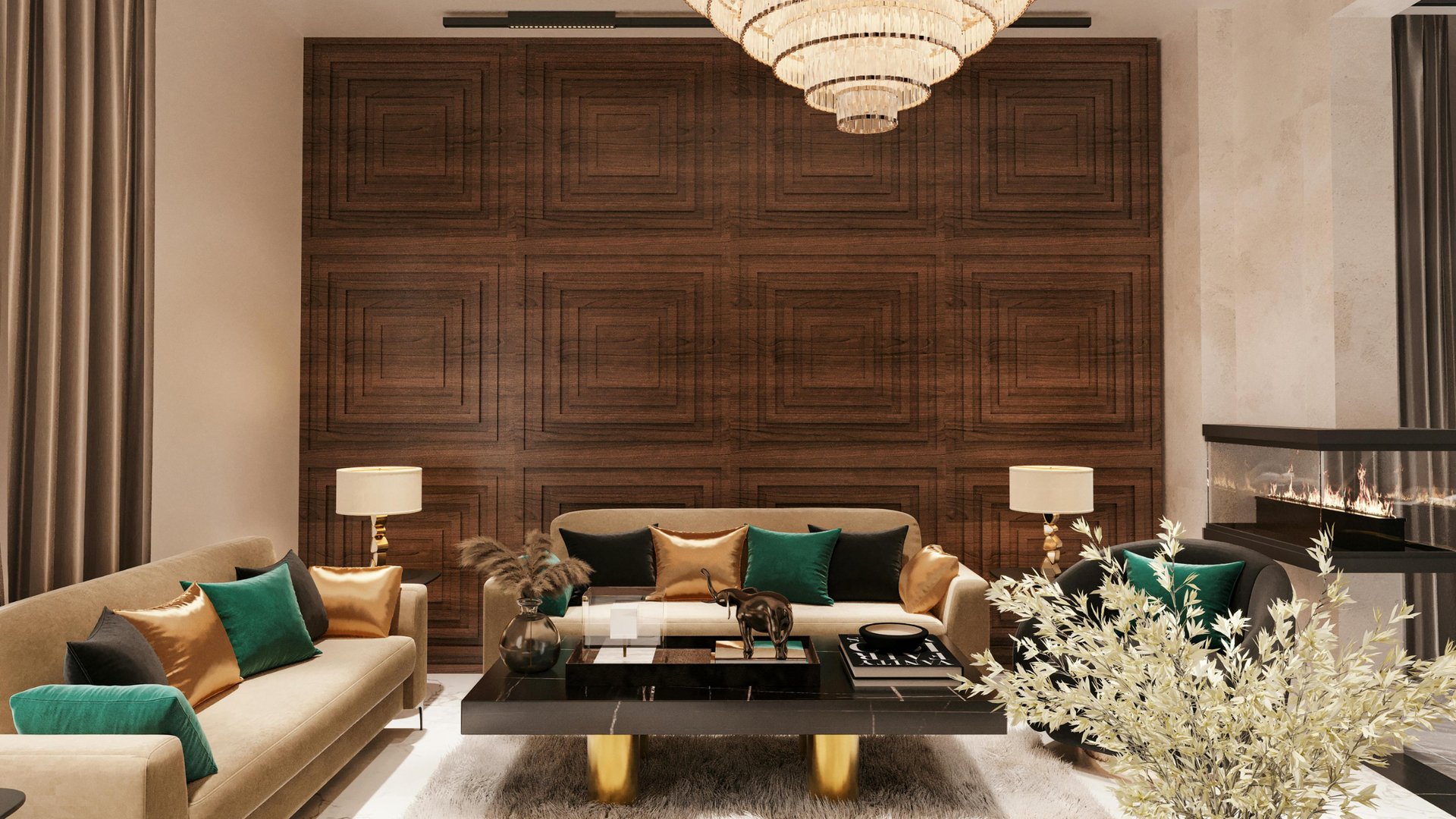
Welcome to biophilic home decor. It's an exciting, rapidly growing design movement of 2026 for good reason. Biophilic design brings nature inside—living plants cascading from shelves, the coolness of marble, the warm grain of oak, and brass and copper accents glowing like sunlight through autumn leaves.
At Habiture, we take biophilic design further. Your home shouldn't just feel natural—it should feel elevated. Warm, soulful, and effortlessly luxurious. Like the most beautiful boutique hotel you've stayed in, except you never have to leave.
In this guide, I'll walk you through biophilic home decor—what it is, why it works, and how to bring it into every room. Discover how using natural materials, organic textures, living elements, and curated details can boost well-being and creativity, reduce stress, and create a soulful sanctuary.
Let's craft something beautiful.
What Is Biophilic Home Decor — And Why Is Everyone Talking About It?
I'll be candid. When I first encountered the word "biophilic," it evoked an image of clinical terminology—hardly befitting the world of refined interiors. Yet as its real essence unfolds, it reveals itself as one of interior design's most captivating and luxurious inspirations.
Biophilic design is rooted in the concept of "biophilia." Biologist Edward O. Wilson coined this term in the 1980s to describe humanity's innate need to relate to nature. The idea is simple but profound: we evolved surrounded by trees, stone, water, and organic forms. When such elements are absent, we feel it—even if we can't name why our home feels cold, sterile, or somehow "off."
Biophilic home decor responds to our need for nature by including natural materials, live plants, organic forms, and textures inspired by the outdoors into interiors. This design approach creates spaces that feel intuitively comfortable. The Human Spaces report found that people in natural-element spaces report 15% higher well-being and 6% greater productivity. houses designed this way literally help you feel better.
Biophilic design excites today because it has evolved. "Nature-inspired" no longer means just a potted plant in the corner and a wooden bowl on the table. Today's biophilic decor is rich, layered, and genuinely luxurious.
Natural stone, like marble and travertine, brings the ancient beauty of the earth directly into your living room.
Warm metals like brass, copper, and gold mimic the tones of sunlight, autumn, and warm earth.
Organic textiles such as bouclé, linen, and wool create a tactile softness. Synthetic fabrics cannot reproduce this feeling.
Living plants, from statement olive trees to trailing pothos, bring oxygen, life, and a sense of lush abundance to any room.
Oak and reclaimed wood ground a space with warmth, character, and grain. They add the story of the natural world.
This is biophilic design at its finest. And it's precisely the aesthetic that the world's most celebrated boutique hotels have been perfecting for years.
The Biophilic Color Palette: Earthy, Warm, and Deeply Inviting
People new to biophilic home decor often ask, "Where do I start?" I always say, 'start with color'. The biophilic color palette defies expectations. It's more than green, it's a spectrum layered with shades from the natural world. Carefully selected, these colors bring warmth and depth unmatched by cool greys, stark whites, or flat neutrals.
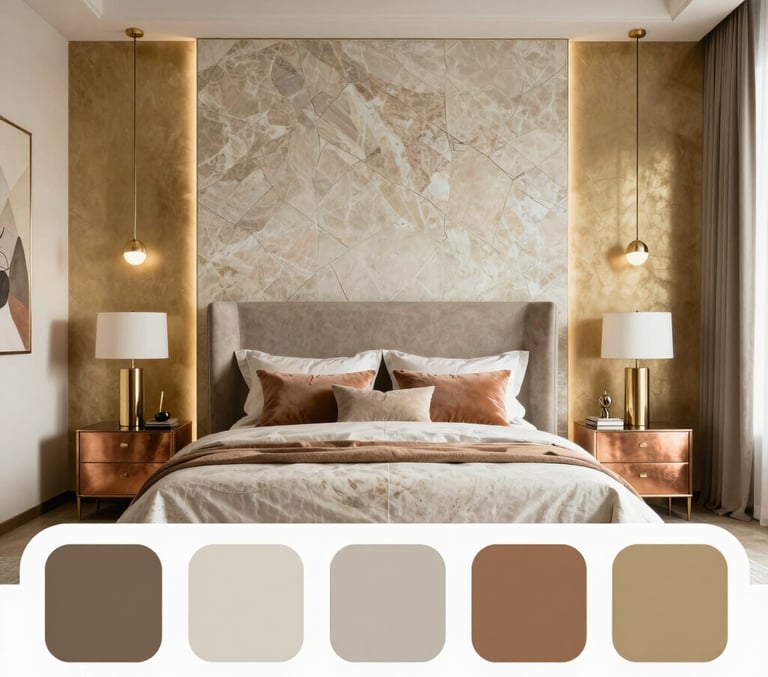
Consider what you see in a forest at golden hour or a stone-floored hotel lobby: forest greens beside terracotta, creamy linen beside honeyed oak, soft grey-white marble, and brass or copper aglow. This warm, earthy layering defines the biophilic palette.
Here's how to build it in your own home:
Base tones: Start with warm whites, soft ivory, or creamy off-white on walls. Never use stark, cool white, which creates distance rather than warmth. Benjamin Moore's "White Dove" or Little Greene's "Flint" are beautiful starting points. RAL 9010 always works for walls and for wooden parts , like window frames or staircases.
Earthy mid-tones: Use terracotta, warm sand, and raw linen in textiles, cushions, and soft furnishings. These tones connect your interior to the earth and generate a sense of comfort. Rest green, rich olive, or warm charcoal as accents. Use these colors on a feature wall, in velvet cushions, or with indoor plants. These darker tones add visual depth and make a room feel curated rather than flat.
Metal accents: Brass, gold, and copper are not just decorative. They function as living color within your scheme. Their hue shifts from warm amber to deep bronze depending on the light. Use them in lamps, tap fittings, vases, art and hardware.
Natural stone tones: The grey-white veining of Carrara marble, the sandy radiance of travertine, and the rich dark grain of oak wood each bring a natural color story. Together, they balance every other element in the palette.
This palette's beauty resides in its harmony. Each color comes from the natural world, so they work together instinctively. You can't go wrong if you stay within the earthy, organic spectrum.
How to Use Natural Materials Like a Luxury Interior Designer
Here's something I've learned after years of obsessing over beautiful interiors: the difference between a room that looks expensive and one that merely looks decorated almost always comes down to the materials. Not the amount of money spent. The materials, products and furniture chosen.
Natural materials possess a quality that manufactured alternatives lack. They offer texture, variation, depth, and story. Run your hand across Carrara marble and feel its coolness, weight, ancient solidity. Touch an oak table and notice the grain, warmth, and slight imperfection showing it grew from the earth. These tactile qualities are satisfied in ways that plastic laminate or synthetic veneer cannot. Your guests will sense it, even if they can't name it.
Here's how to work with natural materials beautifully:
Marble and Travertine: Marble epitomizes biophilic luxury. Use it for coffee and side tables, bathroom vanities, and décor. If full marble furniture isn't in your budget, opt for trays, candle holders, bookends, or coasters for a similar impact at a lower cost. Travertine, with its mellow, textured surface, is resurging and works well for bathrooms and floor tiles.
Oak and Reclaimed Wood: Oak adds warmth to any room. Its honey-gold tones and grain work well with both marble and warm metals. The pairing of oak and brass is especially satisfying in organic luxury design. Use oak in furniture, shelving, and decorative pieces. Reclaimed wood provides character and an environmental conscience to your home.
Brass, copper, and gold: the jewelry of your interior. These warm metals catch light differently throughout the day, introducing a dynamic quality that cool metals like chrome or nickel can't match. Use them for lighting, tap fittings, curtain hardware, picture frames, and accessories. The secret is consistency, choose one as your dominant finish and repeat it throughout the space.
Linen, Silk, Velvet, Bouclé, and Wool are natural textiles that balance stone and metal. Velvet curtains filter daylight. A bouclé sofa encourages you to sink in. A wool throw drapes over an armchair. A silk duvet cover brings a quieter kind of luxury into a bedroom and instantly makes the space feel softer and more refined. These organic fabrics add warmth, texture, and a sense of comfort that distinguishes a truly soulful interior from a merely stylish one.
Bringing the Outdoors In: Indoor Plants for a Biophilic Home
The most transformative thing you can do for a room is add a large indoor plant. Not only do they beautify a space, but they also purify air quality, reduce stress, and create a warm setting. Sometimes a room can look finished, but it still feels empty when you’re actually in it. Even adding one large plant can already soften the room and make it feel less rigid or cold.
I also see people choosing plants differently now than a few years ago. It’s less about rare plants that are difficult to maintain and more about greener, fuller varieties that simply work well in everyday interiors. They’ve become part of the room itself rather than mere decoration.
Larger plants are still everywhere, especially in warmer interiors. Olive trees continue to work beautifully, but I also see more Strelitzias, banana plants, and larger Ficus varieties coming back. They fill a space naturally and add shape to a room without requiring much styling around them.
The Ficus family is making a strong return as well, especially the Ficus elastica and the Ficus lyrata. Their larger leaves work well in calmer interiors with softer tones and natural materials. Alocasias and Anthuriums are also everywhere at the moment because of their more sculptural leaf shapes, which almost feel decorative on their own.
A lot of people also seem to move back toward plants that are simply easier to keep at home. Philodendrons, Pothos, or Sansevierias come back often now, probably because they fit easily into everyday life. Ferns, too, especially in bathrooms or kitchens. They change the room's feeling quite quickly without needing much else around them.
What works best for me is when the plants don’t feel overly styled. More as they’ve always been part of the room. Sometimes even one larger plant is already enough to make the whole space feel softer and more settled.
I also pay attention to the pots, maybe more than before. I usually end up choosing terracotta, stone, wood-look, or something with a more natural finish. Anything too glossy tends to feel out of place in calmer interiors. Avoid plastic pots at all costs!
Room by Room: Biophilic Home Decor Ideas for Every Space
The beauty of biophilic design is that it works everywhere. Every room in your home can be transformed by the principles of natural materials, organic texture, living elements, and warm, organic colors. Here's how to approach each space:
The Living Room. This is where biophilic design truly shines. Lead with a statement sofa, bouclé in cream, warm ivory or subtle green is the ultimate organic luxury choice. Add a marble or travertine coffee table, a brass floor lamp, and an olive tree or banana plant in the corner. Layer in velvet curtains, a wool rug, and silk cushions in deep forest green or terracotta. Finish with a collection of ceramic vases, sculptural objects, and woven wall art that tells a story of natural abundance.
The Bedroom Your bedroom should feel like the most beautiful hotel room you've ever slept in. Start with silk bedding in soft ivory or warm white. Add a bouclé or velvet headboard in warm cream or forest green. Place marble or stone nightstands on either side, with (vintage) brass bedside lamps throwing warm, low light. A wool throw at the foot of the bed, a large mirror with a brass or wooden frame, and a trailing plant on the windowsill complete the picture.
The Bathroom The biophilic bathroom is a retreat for the senses. Travertine or marble tiles on the floor and walls covered with natural plaster create an immediate spa-like luxury. Brass or copper tap fittings and towel rails add warmth and richness. Add oakwood accessories, stone soap dispensers, organic cotton towels, and a selection of plants that love humidity - pothos, ferns, and Sansevieria all thrive in bathrooms. Finish with luxury scented candles and a diffuser to engage the sense of smell just as powerfully as the visual.
The Hallway and Entrance. First impressions count enormously. A marble or stone console table with a brass-framed mirror above it immediately signals luxury and intention to anyone who walks through your door. Add a statement plant or colourful (high-quality silk) flowers and a woven basket for storage. The hallway sets the atmosphere for everything that follows.
The Home Office Biophilic design in a home office isn't purely aesthetically pleasing, it's scientifically proven to improve focus and reduce stress. An oak desk, brass desk lamp, marble accessories, and a selection of small plants create a workspace that appears both productive and deeply pleasant to spend time in.
Here is the secret that separates a beautiful room from a truly extraordinary one: texture. Not color, not furniture, not even plants. Texture.
When you walk into a room that feels genuinely alive and soulful, what you're responding to — often without realizing it — is the layering of different textures that play against each other in rich, tactile harmony. The smoothness of marble next to the roughness of linen. The softness of bouclé next to the hardness of oak. The delicacy of a Ficus branch next to the solidity of a ceramic vase. These contrasts create visual interest and a sensory depth that no amount of expensive furniture alone can achieve.
Here's how to layer textures like a professional interior designer:
Start hard, then go soft. Build your room on hard natural materials first: stone floors, marble surfaces, wooden furniture. These create the architectural bones of the space. Then layer soft fabrics over them: linen, bouclé, wool, velvet and silk.
Vary scale. Mix large-scale textures (a chunky jute rug, a dramatic fiddle leaf fig, impressing wall-art) with fine-scale ones (the delicate veining of marble, the tight weave of linen). This variation creates visual cadence.
Use organic irregularity. Handmade ceramics, hand-woven textiles, and natural wood with visible grain all have a beautiful imperfection that factory-made items lack. These imperfections are what make a room feel human, warm, and alive.
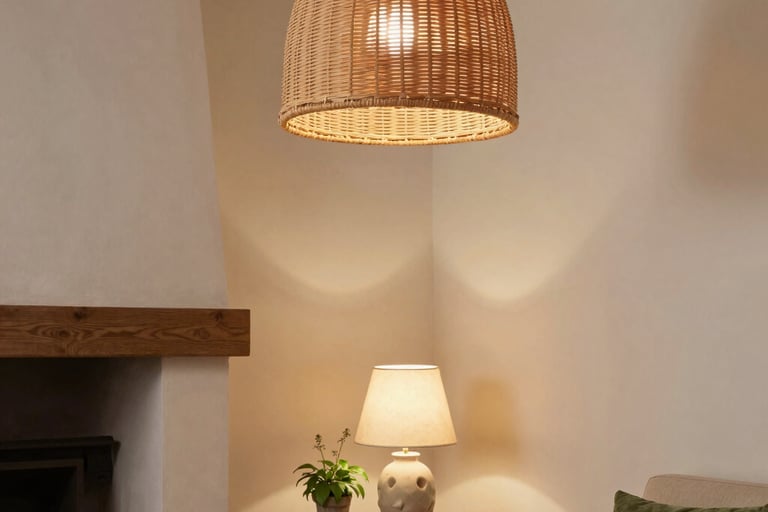
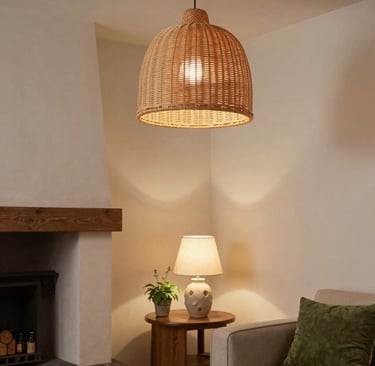
Don't forget the ceiling and walls. Textured plaster walls, limewash paint finishes, woven wall hangings, and even the shadow patterns cast by plants receiving sunlight all contribute to a room's textural richness.
The golden rule? Every room should have at least five different textures working together. Count them in your space right now. If you have fewer than five, that's almost certainly why the room feels flat.
Layering Textures: The Secret to a Soulful Biophilic Interior
How to Shop for Biophilic Home Decor: Our Favorite Sources
One of the questions I get asked most often at Habiture is: "Where do you actually find these pieces?" It's a great question, because biophilic luxury home decor is a special aesthetic that not every retailer caters to. Here are the sources I return to again and again:
For Statement Furniture and Sofas, Kave Home for bathrooms and Loods 5 and Maisons du Monde all offer beautifully crafted furniture made from natural materials that ship internationally. Westwing curates an exceptional selection of luxury European home pieces with a strongly botanical aesthetic. For investment pieces, AMARA carries over 300 luxury homeware brands, including some of the most beautiful bouclé and natural material sofas available online. And definitely visit second-hand markets and shops, local car boot sales, antique stores, and don’t forget to browse Facebook Marketplace or local online resale platforms for beautiful vintage or antique interior finds.
For Natural Stone and Marble Pieces, Mandarin Stone and Fired Earth are my go-to sources for travertine and marble tiles. For marble home accessories, coffee tables, trays, coasters, and decorative objects, Etsy is genuinely extraordinary. There are artisan makers creating absolutely stunning hand-finished marble pieces that you simply won't find on the high street.
For Organic Textiles and Bedding, Urbanara, Libeco, and Parachute Home all make exceptional organic linen bedding that gets more beautiful with every wash. For bouclé and wool textiles, both AMARA and Westwing offer superb selections. The Linen Works is brilliant for linen curtains and table linens.
For Plants and Biophilic Elements, Plnts.com and Bakker.com both deliver beautiful plants across Europe. The Stem in the UK offers curated luxury plant delivery. For dried botanicals — pampas grass, olive branches, dried flowers — Etsy has the best selection I've found anywhere.
For home fragrance and candles, Marie-Stella-Maris stands out with natural body care and refined home scents that bring a subtle, luxurious feel to everyday spaces. Rituals offers a more accessible take on fragrance with warm, familiar notes, while Skandinavisk leans into a calm, Nordic-inspired atmosphere. For truly special moments, Aēsop and Thymes are worth the investment.
Conclusion: Your Home Deserves to Feel Like a Retreat
There's a reason the world's most beautiful boutique hotels invest so heavily in biophilic design. It works. It makes people feel held, restored, and deeply at peace. And here's the most wonderful thing I've discovered in years of pursuing this aesthetic: you don't need a hotel budget to achieve it.
You need intention. You need to choose materials that come from the earth rather than a factory. You need plants that bring life into your rooms. You need textures that invite touch, colors that encourage calm, and light that motivates lingering. You need a home that tells a story — your story — through the objects, materials, and living things you've chosen to surround yourself with.
That's what biophilic home decor really is. Not a trend, not a style, not a checklist. It's a philosophy of living that says your home should nourish you, just as nature does.
Start small if you need to. One olive tree. One marble tray. One set of organic linen pillowcases. One copper lamp casts warm light throughout the room in the evening. Build from there, layer by layer, texture by texture, until your home becomes the soulful sanctuary you deserve.
If you’re working on your own space and trying to find that balance, I’d genuinely love to hear how you approach it. You can always reach out by email, or find me on Pinterest or Instagram and send me a message there. I often share new ideas and pieces I come across, so it’s a nice way to stay inspired as you go. And if you’re looking for items that fit this style, you can also explore my curated favorites, where I collect pieces I would actually use at home.
Habiture Interior Design
Habiture is an interior inspiration platform helping you create a warm, soulful home through natural materials, timeless interiors and carefully selected home decor products and pieces. Discover mood boards, interior products and our favorite finds.
Contact
Sign-up for our newsletter
© 2026. Habiture Interior Design. All rights reserved.
Some links on this website are affiliate links, which means we may earn a small commission at no extra cost to you.