Natural Home Decor Ideas: Create a Warm, Organic & Cozy Home (2026 Guide)
Home design ideas to create a warm, cozy and organic home using wood, stone, neutral colors and natural styling inspiration.
NATURAL HOME DECOR
5/4/20265 min read
Introduction
Many of us spend over half our lives at home. With so much time there, our homes should provide calm, warmth, and comfort rather than feel cold, cluttered, or stressful. This insight sparked my fascination with natural home decor—a simple way to create a peaceful atmosphere without going overboard.
I used to think it was about adding more to a space, but that never really worked. It felt like something was still missing. Over time, I started paying more attention to the materials instead.
When the base is right — wood, softer colors, a bit of texture — the room already feels warmer. It doesn’t need much after that. Things like ceramics or natural surfaces just sit better somehow than anything too polished or synthetic.
For me, it always comes down to how a space feels when you walk in. If it feels too planned or too styled, I lose interest quite quickly. I’m drawn to interiors that use natural materials simply, with a bit of depth, so it doesn’t feel flat.
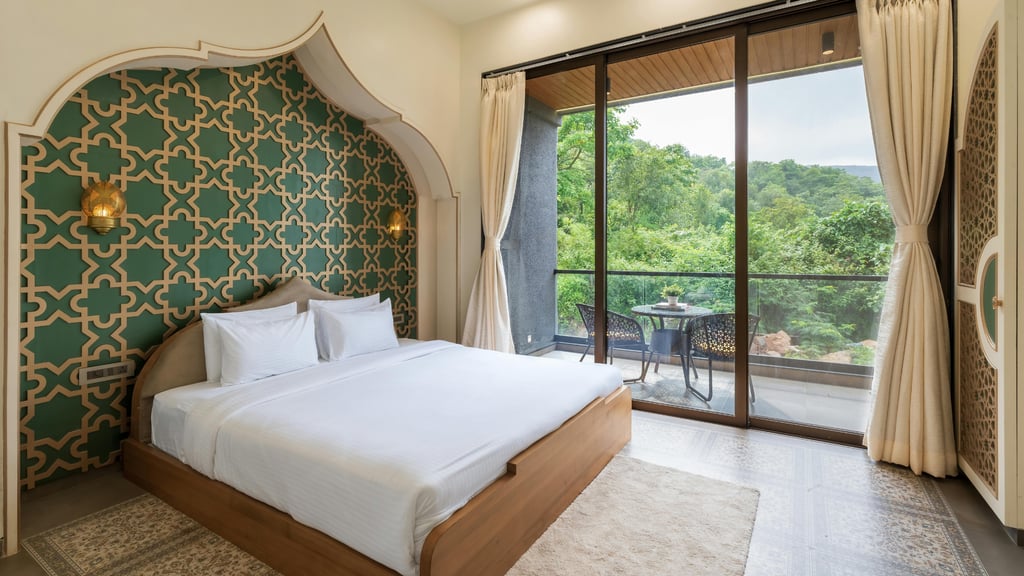
In a space like this, I usually look at the wood first. I don’t really know why, but it’s always the first thing I notice. It just makes the whole room feel warmer. The rest stays quite soft; nothing too strong is going on. There are details, but you don’t really focus on them straight away.
I also tend to notice when a space has something slightly different about it. Not in an obvious way, but more in the details. It can be the depth of the tones, or materials that feel a bit more solid, or just a combination that you don’t come across everywhere.
That’s usually when a room feels right. Nothing stands out too much or feels forced. It’s not about making it perfect; adding a couple of uncommon elements is possible as long as everything sits together. When that balance is there, the space feels more natural and personal, and less like something you’ve already seen many times.
In this guide, I’ll share my ideas, materials, colors, and styling tricks that I keep coming back to. The ones that actually make a home feel warm and natural, instead of staged or overly designed.
What Is Natural Home Decor?
When I first heard the term “natural home decor,” I honestly thought it just meant filling your home with plants. And yes, plants help—but it goes much further than that. It’s really about choosing materials, colors, and textures that feel grounded and authentic, and using them in a way that creates a calm, balanced atmosphere at home.
Natural home decor commonly features materials such as wood, linen, cotton, stone, ceramics, wool, and rattan. These materials have texture and imperfections, which make a home feel warm and authentic rather than cold and perfect. I once bought a shiny, plastic-looking decor piece, but it never matched my living room. It was gone quickly.
A key aspect of natural interior design is the color palette: warm whites, beiges, sand, taupe, terracotta, olive green, brown, and soft gray. These earth tones work well together. Avoid too many colors—natural interiors are calm and simple.
Natural interiors are usually very calm and not too complicated. The spaces feel relaxed, with soft colors and simple materials instead of lots of decoration.
People sometimes mix natural interior design with Scandinavian, Japandi, or organic modern styles. I understand why, because they all look quite similar at first. Scandinavian interiors are usually lighter and more minimal, Japandi feels more calm and minimalistic, and organic modern is often a bit more modern and architectural. But they all use natural materials, neutral colors, and simple styling, which is why they are often grouped together.
How Biophilic Design Elevates Natural Interiors
Natural interiors already feel warm—think wood, stone, soft tones. But something can still be missing.
That’s where biophilic design comes in. It’s less about adding things, and more about how a space feels. Natural light that actually reaches the corners. Materials that don’t feel too “finished.” A bit of greenery, but not styled to perfection.
When it works, a room feels calmer. More grounded. A place you want to stay, not just look at.
If you’re curious how to bring that feeling into your own home, I’ve shared more ideas in this guide on biophilic home decor and creating a luxury retreat.
Natural Color Palette Ideas for Interiors
Colors took me a bit of time to get right. I used to think neutral meant boring, so I kept trying to add more contrast or different shades. But it never really felt calm.
Over time, I realized it’s more about how the tones sit together. I tend to stay within a softer range now. Warm whites, beige, sand, browns… and sometimes a bit of green or something deeper, but always in a quiet way. What I like about these colors is that nothing jumps out straight away. It all sits together quite naturally. The room feels calmer like that, not busy, just easy to be in.
A helpful trick is to layer neutral colors. Instead of one beige, mix cream, sand, taupe, light brown, and warm gray. Layering keeps the room interesting while feeling neutral. Earth tones like terracotta, clay, and olive green work as accents. They’re never too bright or cold and help a room feel warm and natural. I added two terracotta cushions to a neutral sofa, and it instantly felt magazine-worthy.
If I had to describe the colors I keep coming back to, it’s always around the same range. Warm white, different shades of beige, sand tones, a bit of brown, sometimes a touch of green or something slightly deeper. Nothing too strong.
I try not to overthink it too much. When there are too many colors, a space can quickly feel busy. Keeping things more toned down just makes everything feel calmer and easier to live in.
Best Natural Materials for Home Decor
I can’t really say there was one moment where I changed everything. It was more something I noticed along the way. The spaces I was drawn to weren’t the ones with more decoration, but the ones that just felt right. And most of that came down to the materials.
Wood is usually where I start. A good table, a coffee table, even smaller pieces like trays or frames, can already shift the whole feeling of a room. I also don’t worry too much about matching tones. In fact, when everything matches too perfectly, it starts to feel a bit flat. Mixing different types of wood somehow looks more natural.
I usually stay away from materials that feel too smooth or artificial. They can look good at first, but over time, something feels a bit off. I’m drawn to older wood and vintage design, ceramics, and natural elements with some weight or texture. Even something small, like a bowl or a vase, can already do enough without needing attention.
It’s the same with softer decor elements. I don’t add much, just a few things that make the space feel easier to live in. An old lamp, a rug, maybe a throw. Nothing complicated, just enough to soften and make the room stand out.
I also use baskets quite a lot, mostly because they’re practical and fit naturally into the space. Nothing feels forced, which is important to me.
When I look back, it’s really these small choices that changed the atmosphere in the house. Nothing dramatic. But together, they make a room feel warmer and more settled, without trying too hard.
If this way of looking at interiors speaks to you, you’re very welcome to follow along. I regularly share inspiration, ideas and pieces that I come across on Pinterest and Instagram. You can also send me a message there or reach out by email if you have a question or are working on your own home. I always enjoy seeing how others create spaces that feel personal and not standard.
Habiture Interior Design
Habiture is an interior inspiration platform helping you create a warm, soulful home through natural materials, timeless interiors and carefully selected home decor products and pieces. Discover mood boards, interior inspiration and our favorite finds.
Contact
Sign-up for our newsletter
© 2026. Habiture Interior Design. All rights reserved.
Some links on this website are affiliate links, which means we may earn a small commission at no extra cost to you.